

HUB Team Haugen + Hampton Lumber
From the forest to the future, and where the coverage lives along the way. One Willamina sawmill in 1942, ten operating mills today, and a program that has to keep pace with all of it.
SEE THE FULL PROGRAM
From the forest to the future, and where the coverage lives along the way. One Willamina sawmill in 1942, ten operating mills today, and a program that has to keep pace with all of it.
SEE THE FULL PROGRAMOne of the largest privately held forest-products companies in North America, vertically integrated from the tree through the sawmill, the remanufacturing plant, the engineered wood plant, and out to worldwide wholesale and export sales. Before we talk about coverage, here is what we already know about how you operate.
Bud Hampton bought his first mill in Willamina in 1942 to feed his Tacoma lumber business. His son John founded the wholesale arm in 1950 and started acquiring timberland. Today John's three children, Jamey, Elizabeth, and David, sit at the helm, and that original Willamina mill is still running. A fourth-generation company plans in decades. So should the program that protects it.
Approximately 1,700 people, company-stated, across Oregon, Washington, and British Columbia, with South Carolina coming. A privately held company at that scale, governed by a board of family principals, is a materially different underwriting conversation than a public filer with the same revenue. The story has to be told, not just filed.
Safety runs as a recurring theme across your site and your careers messaging. All of your forestland is SFI-certified, and you frame wood as the climate-friendly building material. "A better way every day" is your own language for continuous improvement. Documented safety culture and documented stewardship are underwriting evidence, and most brokers never put them in the submission.
Ten operating sawmills today, an eleventh under construction, plus timberland, an export arm, and manufacturing affiliates. Each one is a distinct property, a distinct payroll, and a distinct exposure center. Roughly two billion board feet of your own lumber a year, and roughly $462 million in annual revenue by third-party estimate.
Willamina, the original 1942 mill and still operating. Tillamook. Warrenton. Banks, recently acquired and restarted. The Portland corporate office runs headquarters, sales, forestry, and administration.
Darrington, Morton, and Randle. Three sawmills in a state whose workers' compensation system works nothing like Oregon's, which is a large part of why this page has a section on your workforce.
Burns Lake and Fort St. James, your Canadian operations. A cross-border footprint adds a third workers' compensation regime, a second currency, and a separate liability environment to the same account.
Fairfax, in Allendale County, under construction now. A 375,000 square foot facility slated to come online in early 2027. It will be your first East Coast mill and the eleventh overall.
Approximately 290,000 acres of SFI-certified timberland across Oregon and Washington. Standing timber, growth cycles, and reforestation obligations sit on the same account as ten industrial plants.
TRAPA Forest Products in Richmond, British Columbia ships wood products to more than 20 countries including Japan, China, Taiwan, and Korea. Idaho Timber, in Boise, remanufactures and distributes across Idaho, New Mexico, Texas, North Carolina, and Florida. RedBuilt, also Boise, builds engineered wood products for commercial construction.
Combustible dust, hot work, kiln and boiler heat, and high property values inside the same buildings. A single mill loss is catastrophic to output, which makes property, equipment breakdown, and business interruption one conversation rather than three.
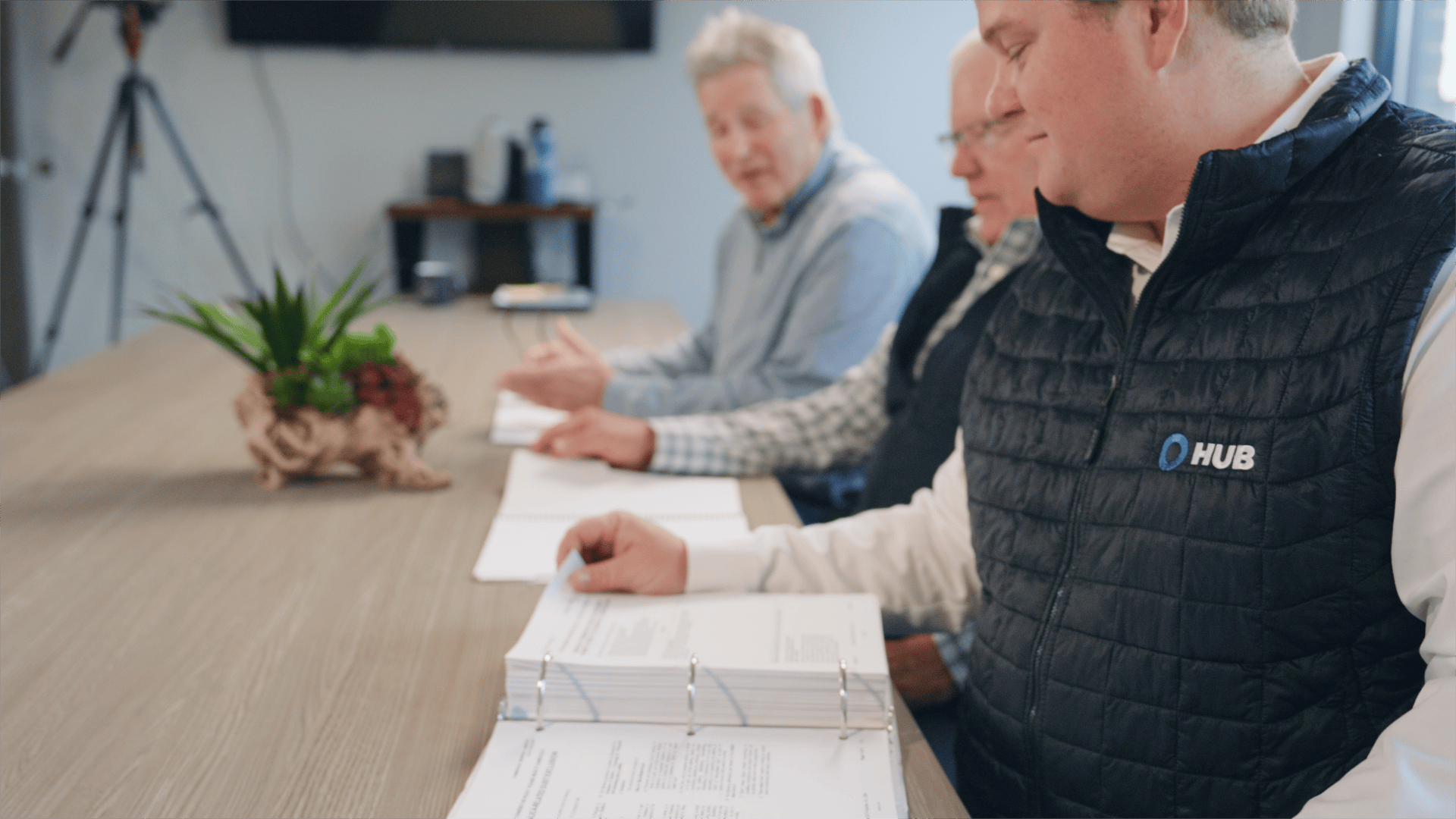
Wood dust and hot work share the same buildings, every shift, at every site. That combination drives the fire protection conversation and it drives an underwriter's questions about housekeeping, dust collection, and hot work permitting. It is the first thing a property carrier asks about a sawmill, and it should be the first thing your broker can answer without calling you back.
Kiln and boiler heat is a distinct exposure from the mill floor around it. An equipment breakdown on a kiln or a boiler does not just damage the unit. It takes the drying capacity that everything downstream depends on, which is exactly where business interruption values get tested and usually found short.
Roughly two billion board feet of your own lumber a year comes out of a finite number of mills. A single mill loss is catastrophic to output, so the business interruption math matters as much as the property schedule does. On an acquisitive company, values that were right three acquisitions ago are usually not right now.
Approximately 1,700 people, company-stated, working across Oregon, Washington, British Columbia, and soon South Carolina. Sawmilling and logging carry some of the highest workers' compensation class-code rates there are. Four jurisdictions, four different sets of rules, one payroll to keep straight. This is the part of your program we would want to see first.
Washington workers' compensation runs through Labor and Industries as a monopolistic state fund. You cannot buy it from a carrier, which means employer's liability has to be layered on separately as private stop-gap coverage. Darrington, Morton, and Randle all sit inside that system. Getting stop-gap limits and their coordination right is not optional there, and it is the single most common gap we find on multi-state manufacturing accounts.
Oregon is a competitive market, so class-code placement, experience rating, and carrier selection are all live levers across your four Oregon mills and the Portland office. British Columbia runs through WorkSafeBC on an entirely separate set of rules for Burns Lake and Fort St. James. Three jurisdictions today, and no two of them behave the same way.
The Fairfax mill opens a fourth jurisdiction when it comes online in early 2027, with 125 to 140 new employees hired onto a new state's rules. A program built around three systems does not automatically absorb a fourth. Coordinating that cleanly before startup, rather than discovering it at the first renewal after, is exactly the kind of problem a knowledgeable broker solves.
Sawmilling and logging carry some of the highest workers' compensation class-code rates written. At approximately 1,700 employees, small differences in class-code assignment, experience modification, and return-to-work performance compound into real money, and they compound across four systems at once rather than one.
Heavy vehicles on rural roads carrying large weights is a high-severity auto exposure before anything goes wrong. Then the product itself moves by truck, by rail, and by ocean container to more than 20 countries, which puts your cargo under a different policy at nearly every stage of the trip.
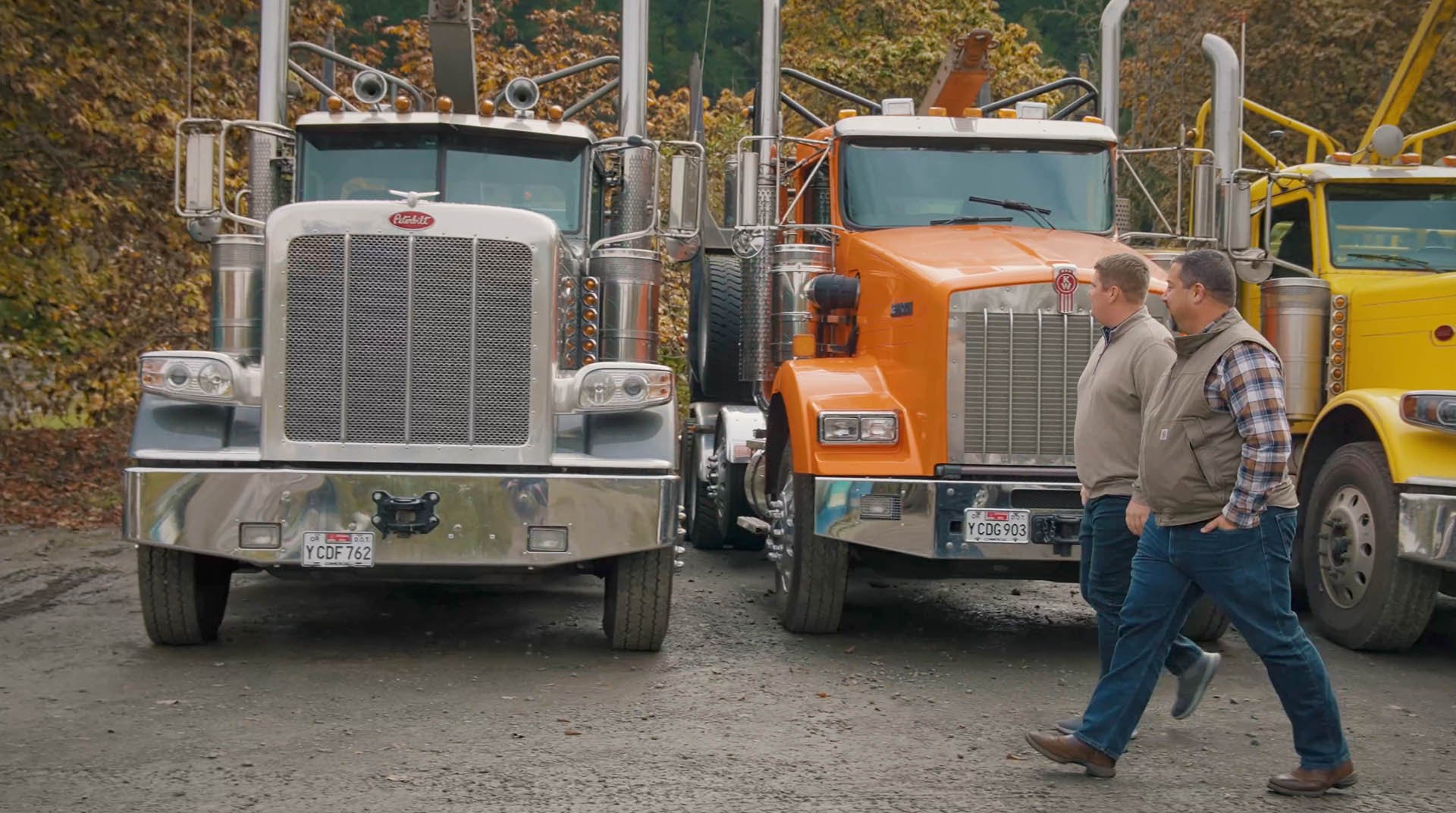
Log trucks and the delivery fleet run large weights on rural roads. That is a high-severity profile rather than a high-frequency one: fewer incidents than an urban delivery fleet, far larger ones when they happen. Commercial auto limits, driver selection, and your telematics posture carry more weight on this account than fleet size alone would suggest.
Lumber leaves your mills by truck, moves by rail, and goes to sea in ocean containers. Motor truck cargo, inland marine, and ocean cargo each cover a leg of that journey, and the seams between them are where a loss gets argued instead of paid. A stock throughput policy is the usual answer to that problem, and it is worth pricing against the alternative rather than assuming.
TRAPA ships to more than 20 countries including Japan, China, Taiwan, and Korea. Once product is on the water you are into marine cargo terms, general average, and foreign jurisdiction. That is a specialist conversation, and it is one HUB has the global bench to have with you rather than about you.
Approximately 290,000 acres of SFI-certified timberland across Oregon and Washington. Standing timber is a real balance-sheet value that most property forms do not reach, and wildfire runs in both directions: what burns on your ground, and what your ground is alleged to have started.
Standing timber value sits outside a normal commercial property form. It has to be scheduled and valued deliberately, and reforestation cost after a loss is a separate line of thinking from the timber value itself. Both routinely get missed on programs that grew up around the mills and had timberland added later.
Wildfire ignition and spread liability is the exposure that has reset hardest across the West over the last decade. The question is no longer only what a fire costs you. It is what a fire alleged to have started or spread on your acreage costs you in third-party liability, and whether your program answers that allegation or argues about who should.
All of your forestland is SFI-certified and you frame wood as the climate-friendly building material. That is documented stewardship, which means it is underwriting evidence and not only brand language. Presented properly to a carrier it is a rate argument. It belongs in the submission, and on most accounts it never gets there.
Your first East Coast mill is going up in Allendale County. Groundbreaking was November 2025, operations are slated for early 2027, and 375,000 square feet of state-of-the-art facility is being built to run Southern Yellow Pine. That is an active construction exposure today and a brand new operating footprint the day it starts up.
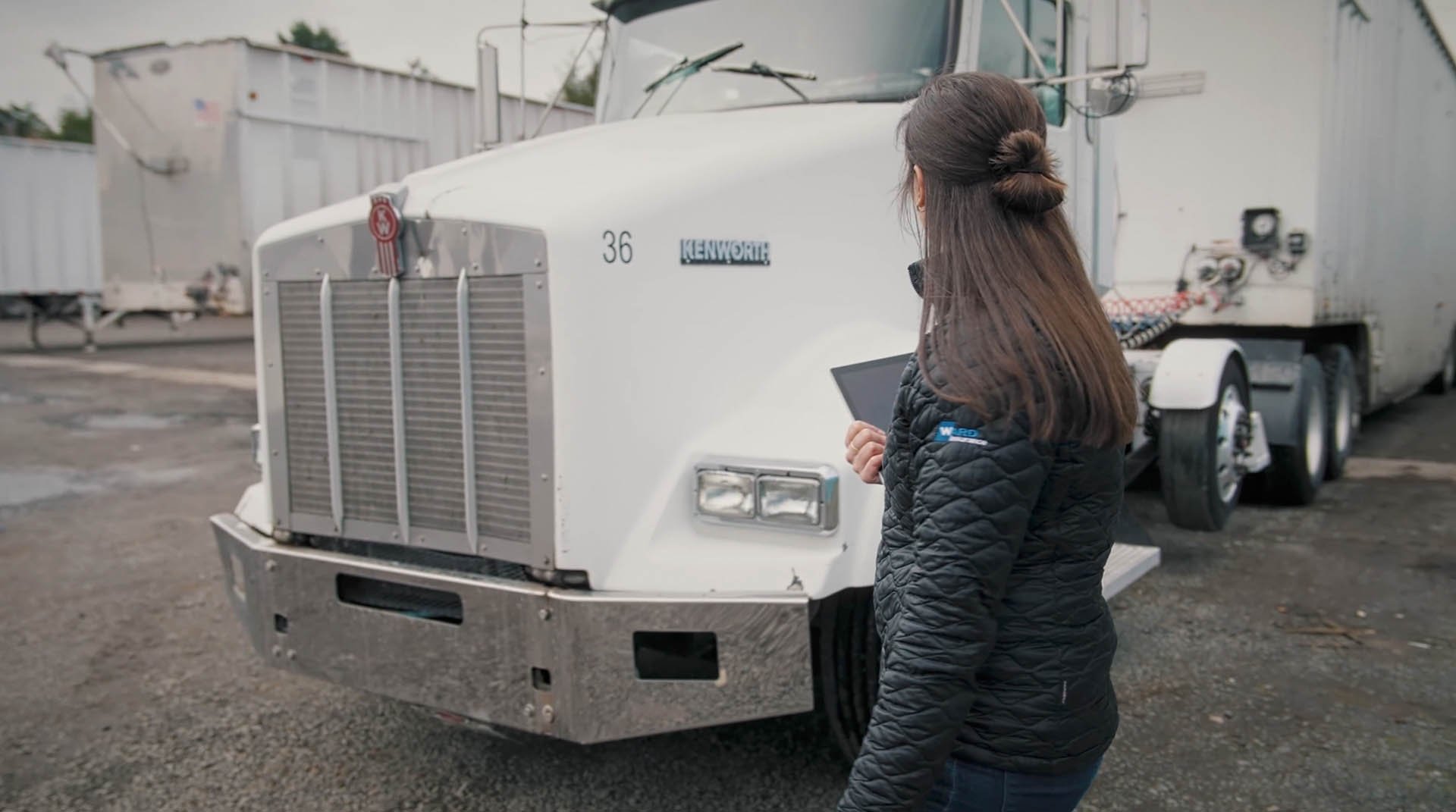
A $225 million project under construction carries material, equipment, and delay exposure right now, today, before the mill makes a single board. Builder's risk limits, soft costs, and delay in startup coverage are all decisions being made on this project already, whether or not anyone is currently treating them as insurance decisions.
A build this size usually warrants its own general liability structure rather than leaning on the operating program to stretch over it. Contractor insurance requirements, contractual risk transfer, and additional insured structure are all worth reviewing while the work is still in progress and changes are still cheap.
When Fairfax comes online in early 2027 it adds a new-state workers' compensation footprint of 125 to 140 employees plus a new property location on the schedule. The clean version of that transition gets planned before startup. The expensive version gets discovered at the first renewal after it.
Fairfax will run Southern Yellow Pine rather than the Douglas fir, Western Hemlock, white wood, and spruce your western mills convert. Different species, different equipment, and a workforce hired new in a state where the company has no loss history yet. Underwriters will treat it as a new risk, because it is one, and the submission should get ahead of that rather than react to it.
Five more places where a vertically integrated forest-products company carries exposure worth reviewing. None of these are the headline. None of them should be an afterthought either.
This is a cold introduction, so it should earn its way in. Here is what we brought to it.
Team Haugen lives in contractors, manufacturing, wood products, and transportation. Every exposure on this page is one we already work. There is no learning curve here for you to pay for.
We are based in Eugene and we work relationship-first. For a Pacific Northwest family company, a broker who shows up at the mill beats a far-off account team on a quarterly call.
The relationship is local. The capacity is not. HUB is a top-tier national broker with global reach, which is what an account this size needs when it runs multi-state and across a border.
Property, casualty, fleet, cargo, environmental, and bonds and surety under one roof. Recent moves like Idaho Timber, RedBuilt, the Banks mill, and Fort St. James say this is a company whose insurance program has to keep pace with it, and that takes more than one specialty.
This page exists because we studied the operation before we asked for the meeting. Ten mills, four workers' compensation systems, three transit modes, 290,000 acres, and a $225 million build. If we got any of it wrong, that is a useful conversation too.
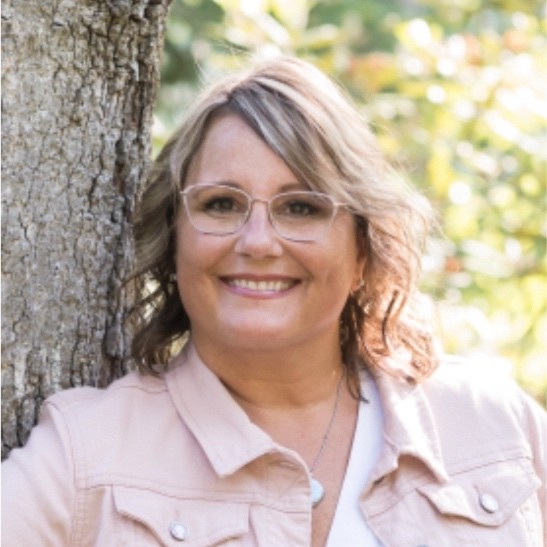
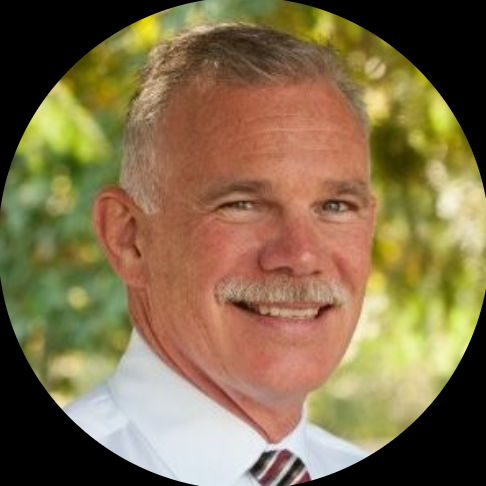
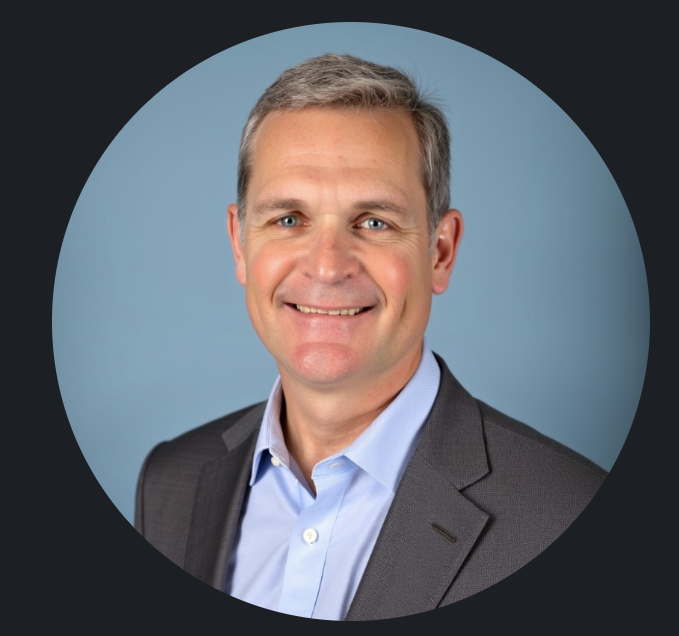
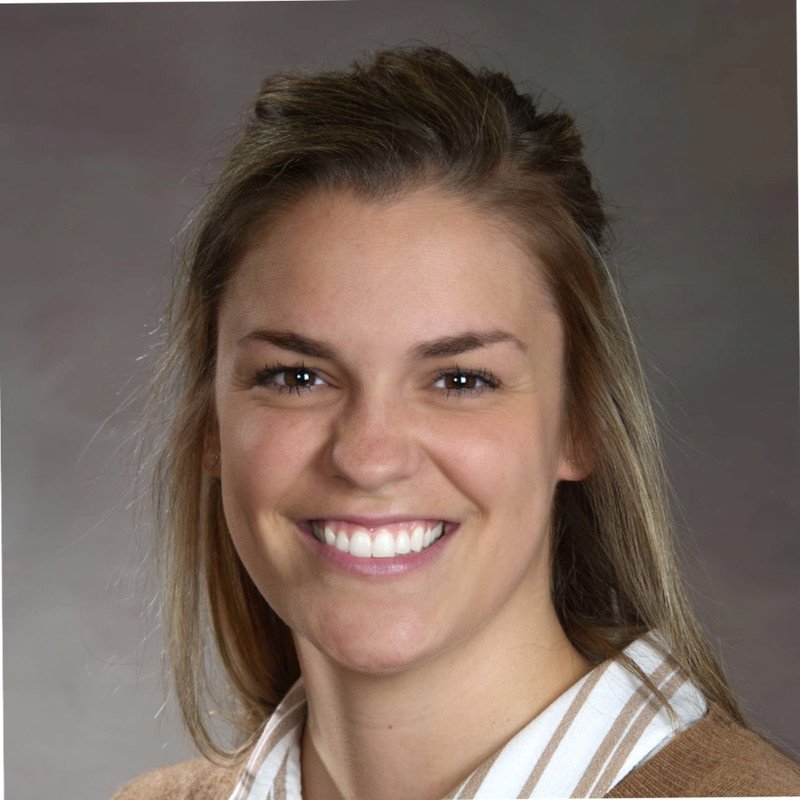
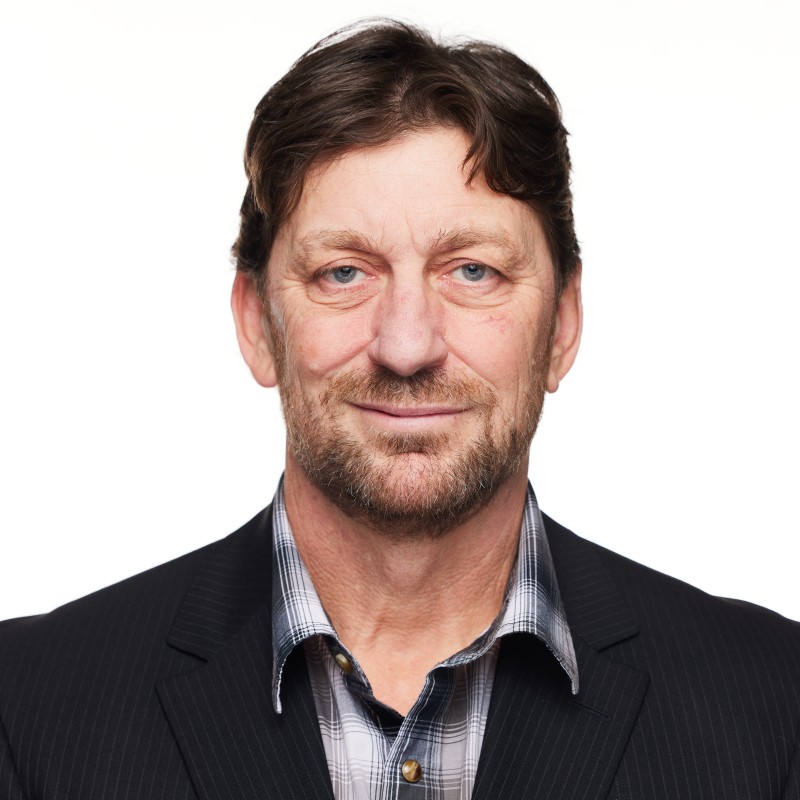
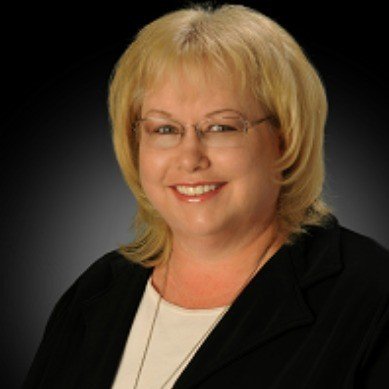
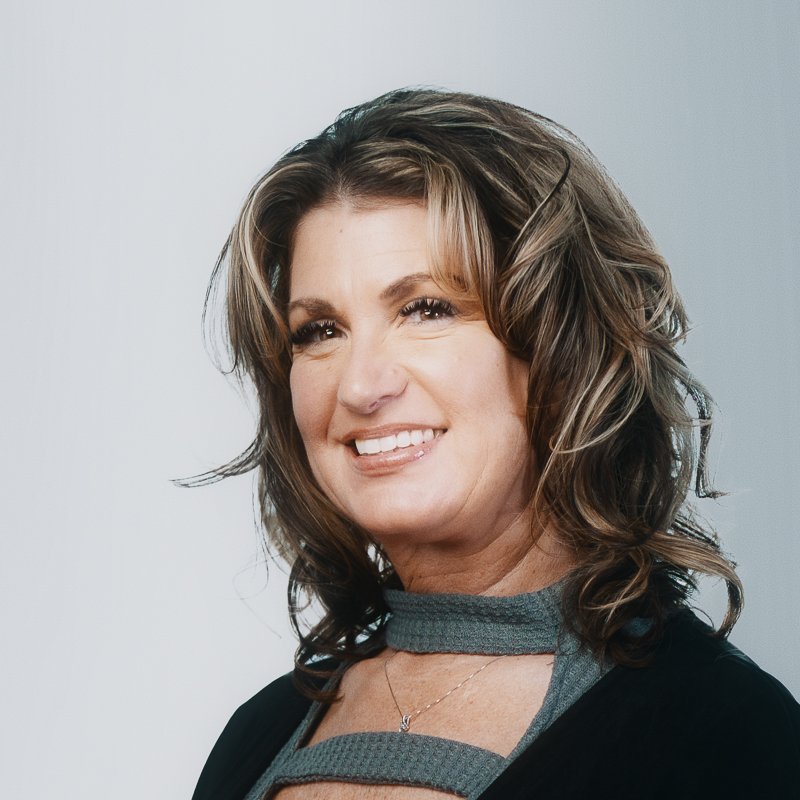
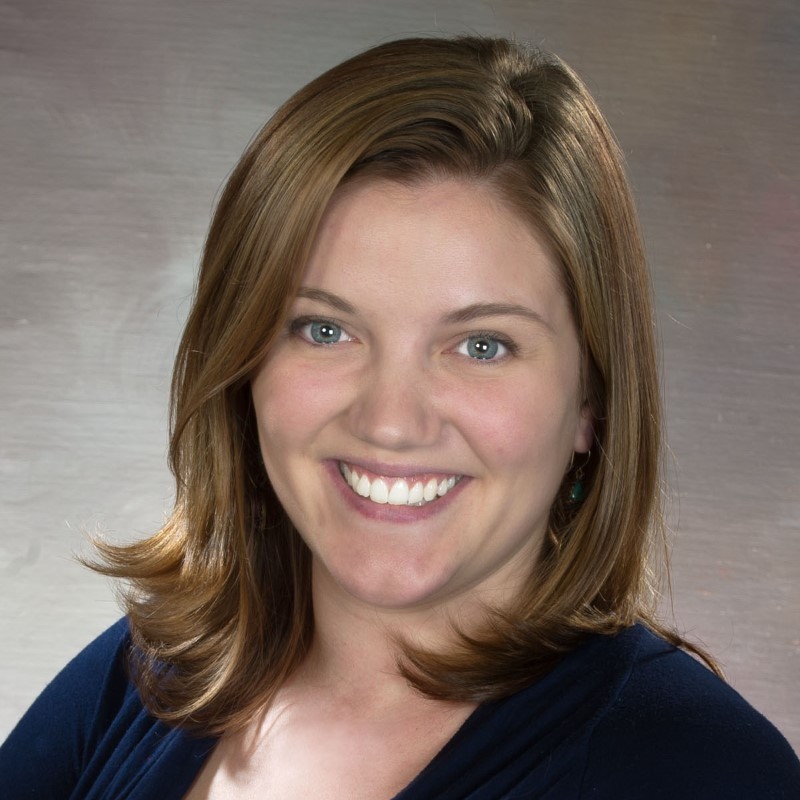
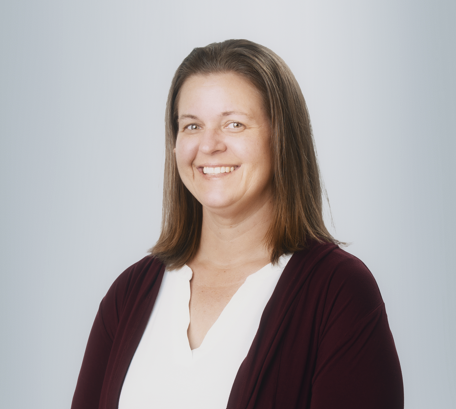
Three people would own the Hampton Lumber relationship, working out of Eugene. Behind them sit the Team Haugen units for workers' compensation, claims and risk consulting, bonds and surety, and account management.
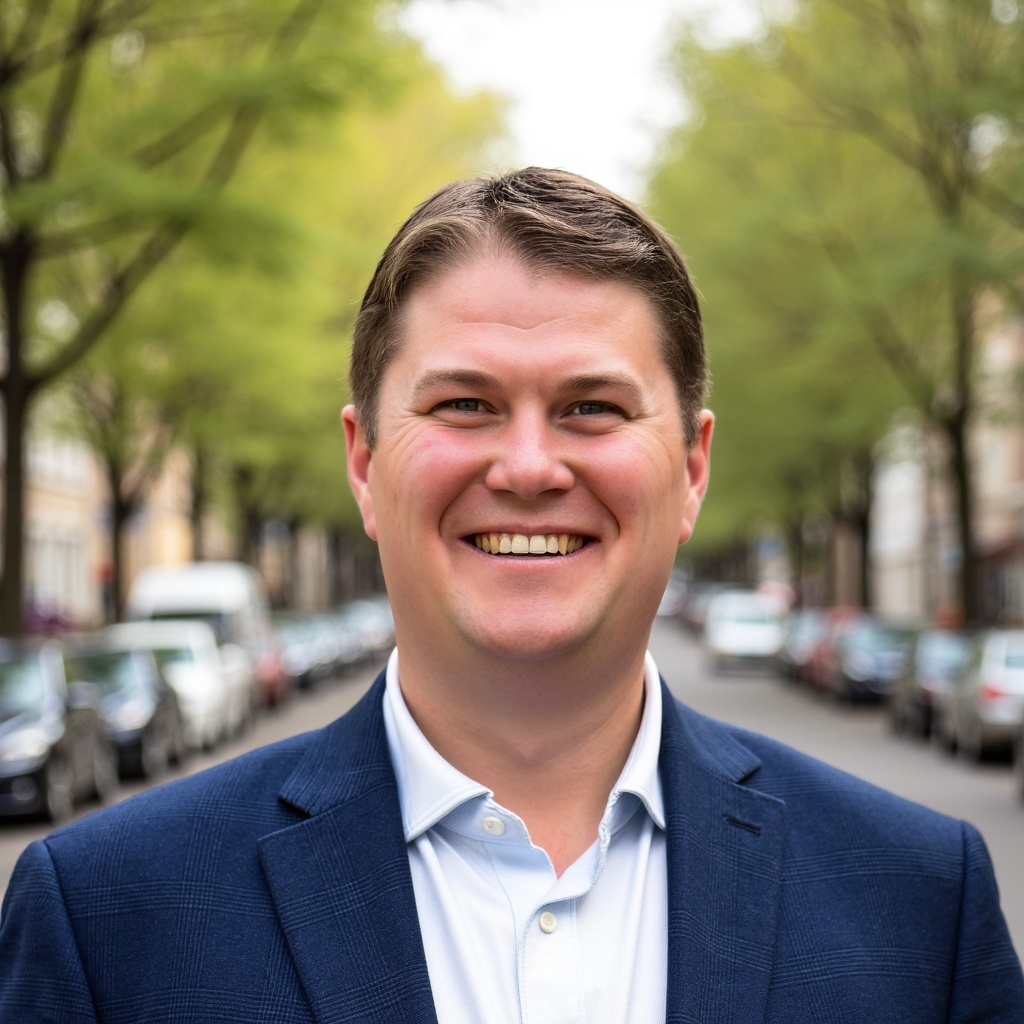
SVP, Commercial Lines / Team Haugen Lead
Leads a family-run commercial team with deep Eugene-area roots.

Associate Advisor, Commercial Lines
Building this relationship from the ground up with a custom, researched approach rather than a cold pitch.

Associate Advisor, Commercial Lines
Building this relationship from the ground up with a custom, researched approach rather than a cold pitch.
Team Lead
Logan Haugen
SVP, Commercial Lines / Team Haugen Lead
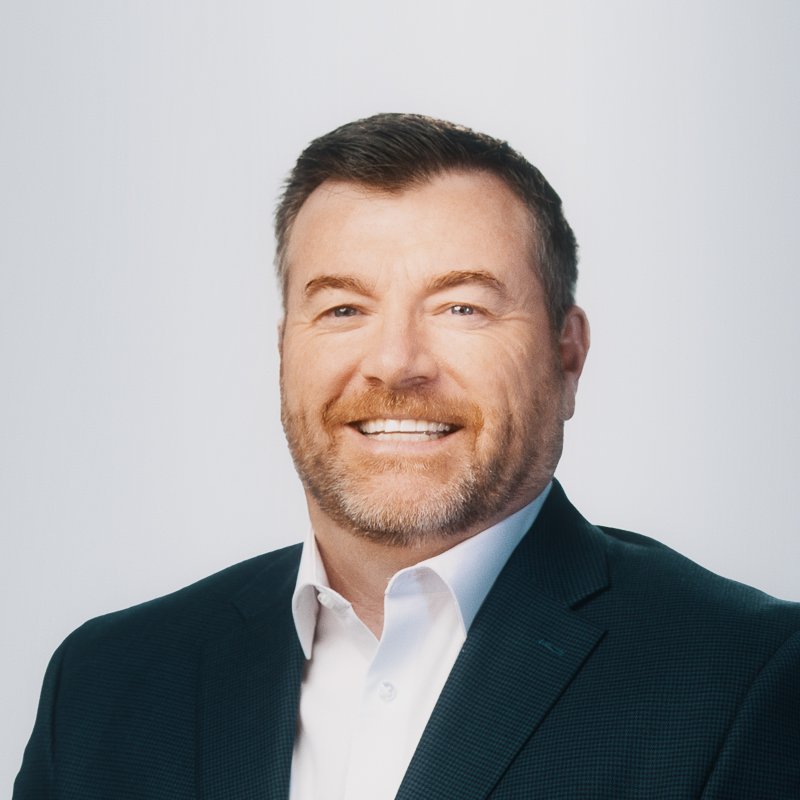














We built this page for Hampton Lumber specifically, from your operations and where the risk sits inside each one. If it reads right, the next step is a conversation.
SCHEDULE A CALL